ARC Raiders Squad Coordination: Move, Loot, Revive and Extract Together
A squad is stronger when its members share a plan and weaker when each assumes somebody else is watching. ARC Raiders does not require a formal command structure for basic teamwork: a route caller, a clear loot priority and an agreed extraction can prevent many avoidable losses. This is original practical advice for standard PvPvE, reviewed October 18, 2026. The current limited PvE toggle changes player-damage and group-matching conditions, so confirm the selected mode rather than treating every lobby as the same environment.
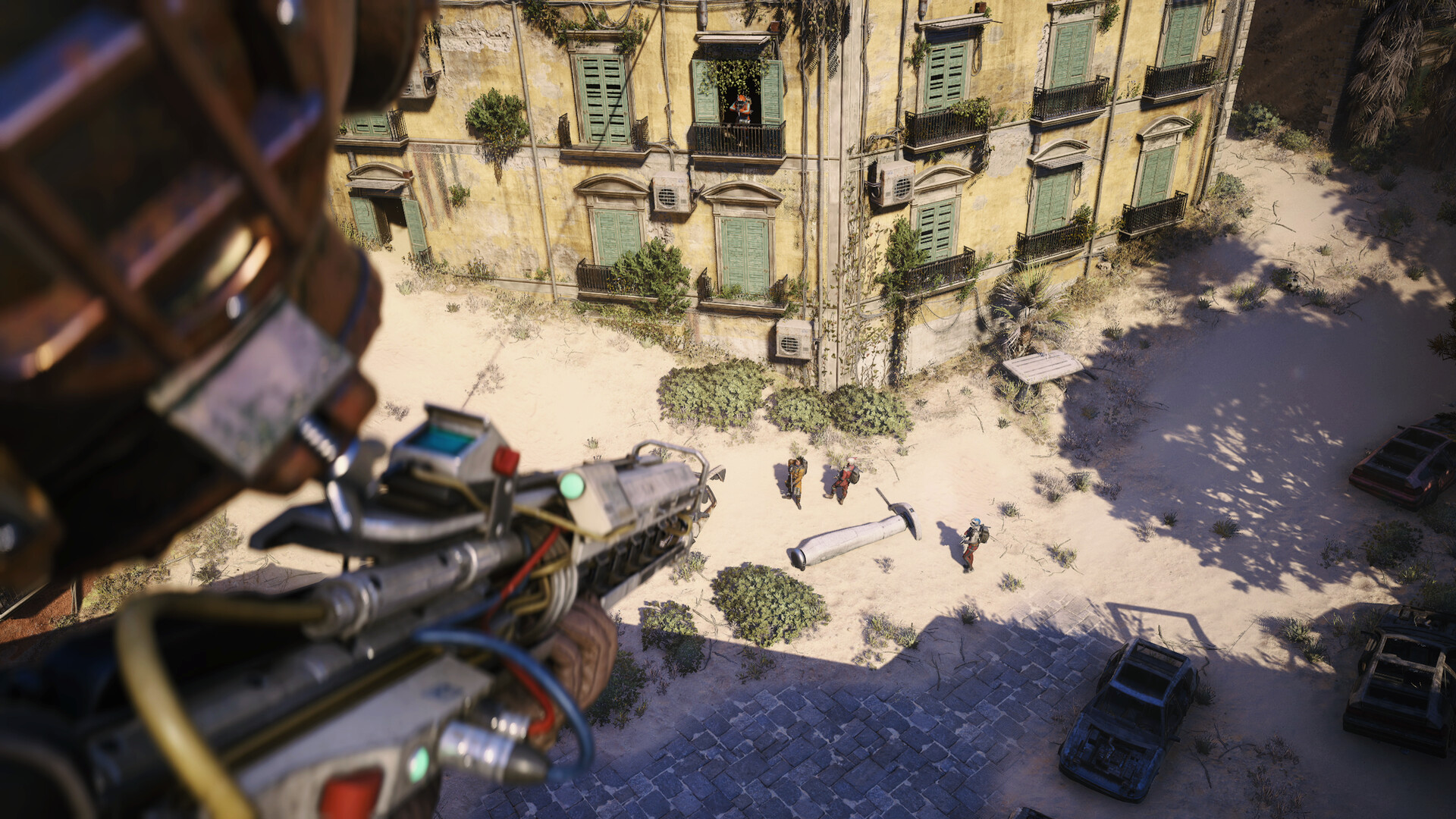
Official game screenshot · Embark Studios. Publisher-provided public store media used to illustrate independent editorial discussion. Copyright remains with the respective rights holders; no redistribution license is offered.
Agree on the raid’s main goal before spawning
Name the quest stage or material shortage that matters most and identify who needs it. If one player must return an item, the rest should know that continuing to search may risk the group’s objective. Select a broad route with a primary exit and an alternative. Keep the plan short enough that everyone can repeat it. A squad does not need to debate every container in the lobby, but it should know whether this is a recovery run, a quest visit or a deliberate combat outing. Mismatched expectations are a frequent reason teams split at the first noise.
Give useful jobs rather than rigid classes
One player can read the route while another watches an exposed approach; rotate that responsibility as positions change. When someone operates a terminal or searches a quest object, another should remain aware of the entrances. These are temporary tasks, not claims that the game requires a particular class composition. Check the equipment each member actually brought before relying on a recovery or utility item. Saying that somebody is the medic does not create a defibrillator in their kit. Confirm that the necessary consumable is present and available before a risky push.
Use short calls with a location and an action
A useful call identifies the threat or need, its location and what the speaker intends to do. For example: movement at the upper window, holding the doorway, moving left to cover. Avoid filling voice chat with uncertain accusations while another teammate needs to hear footsteps. Mark a position when the ping tool can clarify it, then update if the target moves. Do not keep directing the squad to a stale marker. When several people call different routes, name one immediate regroup point so the group solves its separation before taking another fight.
Keep spacing that permits help without one shared trap
Travel close enough to assist before an encounter is already over, but avoid stacking everybody in the same doorway or narrow crossing. The exact distance depends on sightlines and terrain, so use shared landmarks rather than a fixed universal meter rule. Pause when someone falls behind to loot or heal. A fast player who reaches the next building alone has temporarily removed the squad advantage. At an exposed crossing, establish where the first mover will watch from and when the remaining players can follow, instead of sending everyone into the open at the same instant.
Share loot according to the named goal
Call out a quest material before recycling or selling it later and allow the player who needs it to confirm the exact name. Distinguish a component useful for an upgrade from a delivery that must remain intact. Before handing over ammunition or equipment, ensure it fits the recipient’s weapon and carrying limits. Avoid a complicated exchange in an exposed room: move to cover, make the transfer and close the inventory. If a valuable item completes the main task, discuss leaving now. Team success is not measured by whether every member filled every slot with unrelated objects.
Make recovery a cover problem before an interaction
When a teammate goes down, locate the threat and the available protection before rushing into the same firing lane. Decide who watches and who performs any recovery action the current state allows. Verify the item and interaction required; do not assume that being nearby makes every recovery possible. Utility may obscure a line of sight, but it does not stop all incoming damage or remove enemies behind it. A lost teammate is difficult; losing the whole squad one at a time at the identical doorway is usually worse. Explain a necessary withdrawal clearly rather than disappearing silently.
Coordinate the extraction process as one task
Call the selected exit early and confirm that everybody can reach it before its shutdown. At the terminal, assign an observer while another operates the mechanism. Announce when the route is called, when entry becomes available and when the departure interaction is ready. Check the team’s position before taking an action that leaves someone outside. A separate key-operated hatch or newer extraction type may have its own timing and access constraints, so read the current prompt together. Do not assume an elevator routine applies universally across every map or that all teammates have their own required key.
End with a short factual review
After returning, unload, check the quest and restock before the conversation turns into blame. Identify one coordination issue that can change next raid: the rear player had no call, both watchers opened inventories, or the group selected different exits. Give the next attempt one simple rule that addresses it. If the squad won a difficult fight but lost the delivery to a late exit, the route decision still needs work. If one player made a successful withdrawal with the needed item, acknowledge that the main objective survived even if the fight itself was not won.
Your working checklist
Checkmarks stay in this browser when storage is available. They do not alter your game or connect to your account.
Put it into practice
- State who needs the raid’s key item and agree on the route.
- Assign temporary observer and interaction roles at dangerous stops.
- Regroup before new engagements and recover only with a cover plan.
- Operate extraction together, then review one coordination improvement.
Before you finish
- A declared support role must match the equipment actually carried.
- Several players at one doorway can be one shared vulnerability.
- Always read the chosen extraction’s current access and departure prompts.
Common questions
Do we need a fixed class composition?
This guide assigns temporary responsibilities, not mandatory classes. Match duties to the equipment and situation you actually have.
Should everyone loot at the same time?
In exposed areas, leaving someone aware of the approach can prevent the entire group from being surprised. Rotate that job.
Should we always attempt a revive immediately?
No. Check threats, cover, the required interaction and whether the attempt would expose the whole squad.